Ready to talk?
If you think a family member may have X-linked hypophosphatemia (XLH), approach the conversation with compassion and care.
These conversations can be hard, but they can be an important first step in helping your relatives get the care they need.
Alice (living with XLH) pictured with her parents,
Jason (also living with XLH) and Lisa

How other people had the xlh conversation
In this video series, Conversations in XLH: Family Connections, real people share how they discovered XLH in their families—and how open conversations helped family members seek diagnosis or care.
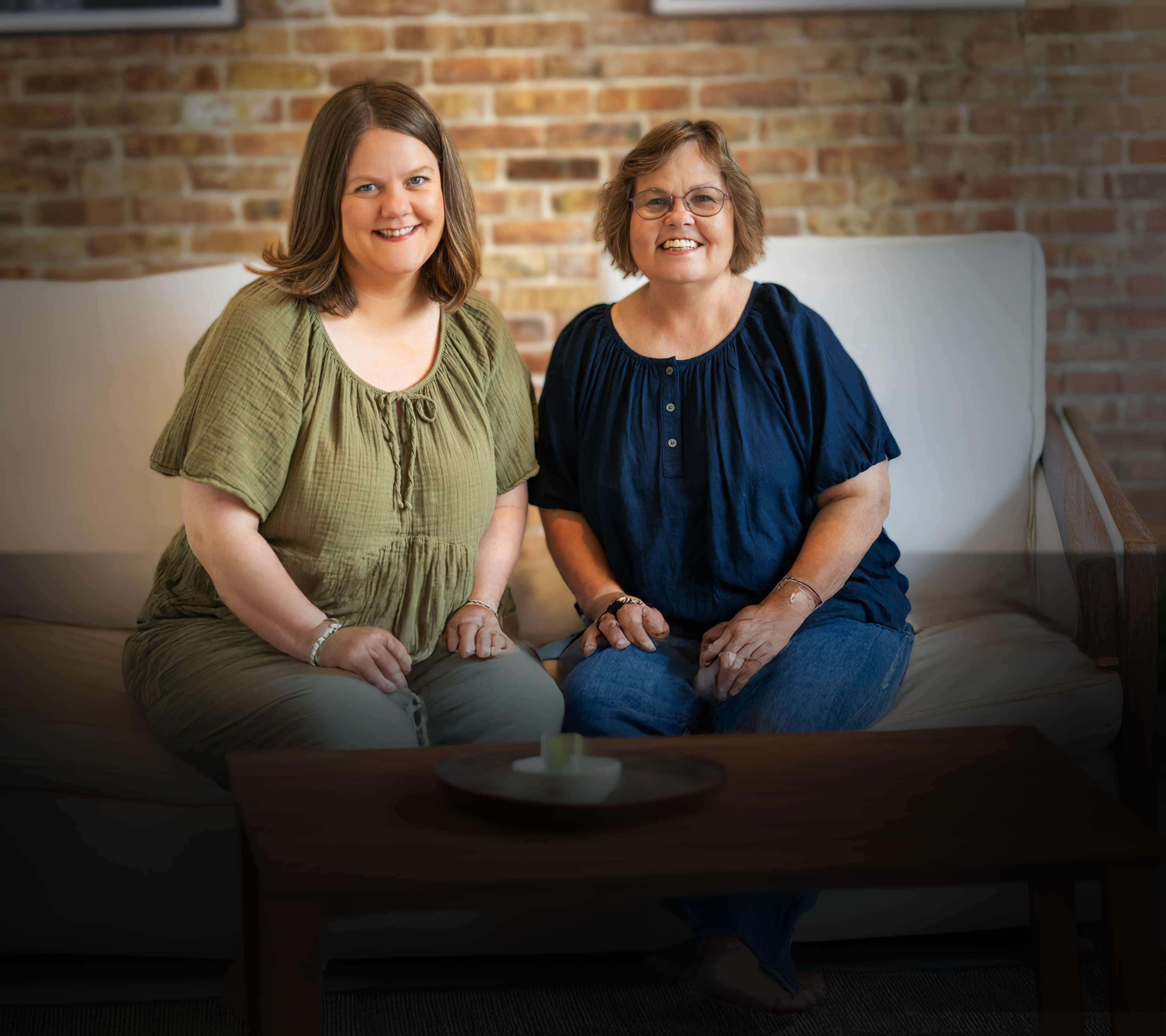
Understanding XLH in the family
Hear Emily and Connie share their XLH diagnosis journey, shaped by connecting with family.
Hear Their Experience


Starting the conversation
From the first conversation to the moments that followed, discover how Emily and Connie navigated talking about XLH with their family.

Encouraging others to talk about XLH
Emily and Connie share why conversations about XLH matter—and how opening up can bring families closer together.
A simple way to start talking
Talking about XLH with family can feel like a big step, but you don’t have to start from scratch. The XLH Conversation Cards are designed to help you ease into it. Use them while:
- Spending time talking together as a family
- Asking each other questions
- Sharing experiences
Each card includes a prompt to spark meaningful conversations about XLH inheritance, symptoms, testing, progression, and support.
Best of all, your XLH Conversation Cards are free and can be shipped to you at no cost.
Order your cardsFor educational purposes only. Please speak with your healthcare provider for more information about an XLH diagnosis.

Illustrative purpose only.


My daughter’s diagnosis also gave my husband the encouragement he needed to begin to manage his disease properly.
Lisa, mother to Alice and wife to Jason, both living with XLH


COMM-US-RDS-1001 August 2026